
The Massacre at Colfax, Louisiana (1873)
Blog post description.
12/31/20251 min read
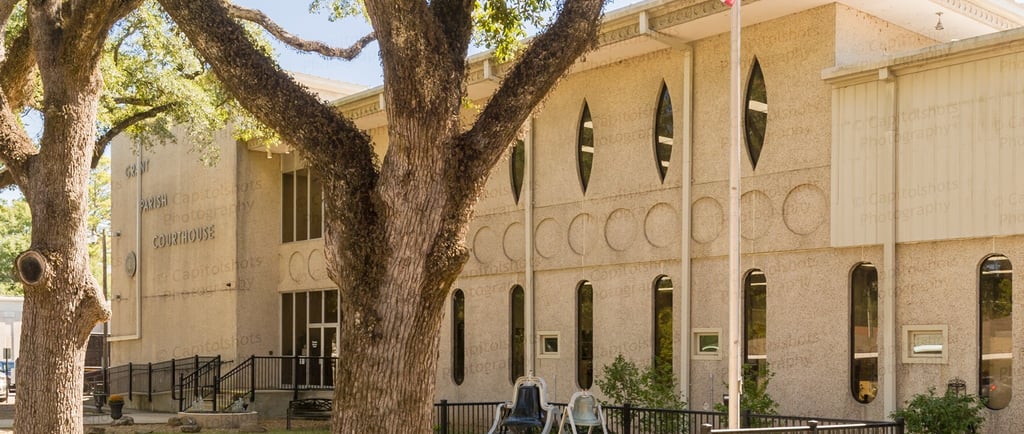
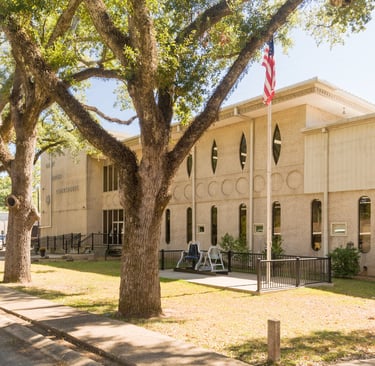
The Massacre at Colfax, Louisiana (1873)
In the aftermath of the Civil War, Reconstruction promised a fragile but real possibility: Black political power protected by federal law. That promise was violently shattered in 1873 in the small town of Colfax, Louisiana.
Following a contested gubernatorial election, Black citizens in Grant Parish—many of them formerly enslaved men—organized to defend the local courthouse and the legally elected Republican government. They were exercising rights guaranteed under Reconstruction laws and the Fourteenth Amendment. What followed was not a riot, but a massacre.
On Easter Sunday, a heavily armed white militia attacked. After hours of fighting, Black defenders surrendered. They were executed anyway. Conservative estimates place the death toll at over 100 Black men, though some contemporary accounts suggest significantly more. White attackers suffered minimal casualties.
The evidence is uncontested. Federal prosecutions led to the landmark Supreme Court case United States v. Cruikshank, which directly references the Colfax Massacre. While a few perpetrators were initially convicted under the Enforcement Acts, the Supreme Court overturned those convictions in 1876, ruling that the federal government could not prosecute individuals for civil rights violations—only states could.
This decision was catastrophic. It stripped the federal government of the power to protect Black citizens from racial terror, effectively greenlighting white supremacist violence across the South. Historians widely recognize Cruikshank as one of the legal foundations of Jim Crow.
Why is Colfax rarely taught?
Because acknowledging it exposes an uncomfortable truth: Reconstruction did not “fail” on its own—it was deliberately dismantled through violence and the courts. The massacre reveals that Black Americans were not passive victims of history, but active participants in democracy who were met with organized terror when they asserted power.
Today, Colfax stands as one of the deadliest acts of racial violence in U.S. history—and one of the most consequentially silenced. Its legacy lives not only in the blood spilled, but in the laws that followed, shaping American inequality for generations.
Hidden Records restores what the record itself never lost—only ignored.